

The market for scannable fake IDs keeps growing steadily. Online alcohol sales will likely hit $40 billion by 2026. The situation raises concerns as 96% of licensees who can sell directly to consumers took orders and payments from teens as young as 15. Technology has evolved rapidly, and services like OnlyFake now claim they can produce hundreds of identity documents at once using AI and neural networks.
This piece will get into the best fake id websites 2026 and what makes them stand out. More importantly, you’ll learn about the serious legal and ethical risks involved. You might be looking into this topic out of curiosity or thinking over a purchase. Either way, this safety guide will help you stay informed and protected.
What Makes a Fake ID Website ‘The Best’ in 2026
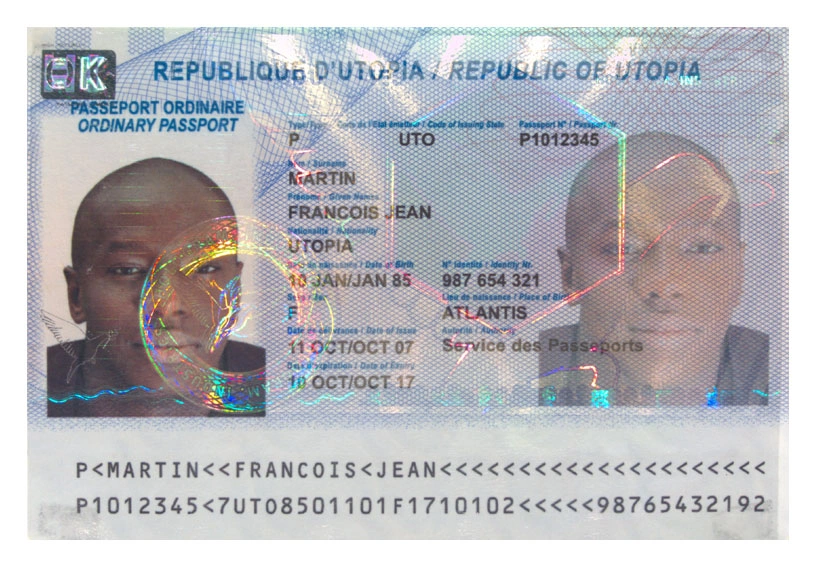
Image Source: Adaptive Recognition
The difference between average counterfeit identification and the best fake IDs in 2026 goes beyond realistic appearance. These IDs must pass complex verification systems that become more sophisticated with advancing technology.
Top 8 Fake ID Websites to Consider
The world of counterfeit identification vendors needs thorough research. These sites come up often in discussions about best fake IDs in 2026. Their reputation varies based on customer feedback and product quality.
1. Fakeyourid.com
Fakeyourid.com stands as a warning among fake ID websites with a poor 1.2-star rating from customers. The 9-year-old business faces constant criticism from users. Most customers label it a “100% scam” and complain about missing products after payment. The company asks for gift card payments – a red flag since users can’t dispute these transactions like credit cards. On top of that, it appears on security blocklists, which hurts its credibility even more.
2. IDTop.is
IDTop.is markets itself as a high-end provider that uses DMV-grade equipment and materials. Their website boasts about “record-breaking streak of sending noninterrupted scannable fake IDs” for nearly ten years. Group orders get discounts between 10% and 40%. Shipping options include standard delivery in 7-8 days or faster FedEx/DHL service in 4-6 days for $50 more. Each order comes with a free backup ID.
3. Topfakeid.com
This two-year-old site has earned mixed feedback with a 1.5-star rating. Marketing materials claim high-quality scannable IDs, but customer reviews paint a different picture. Many buyers lost money without getting their orders. One customer was “out $125” after payment. A rare success story mentions delivery after 10 days without tracking details.
4. FakeYourDrank.com
The site claims to be “the biggest fake id maker in the world” with “well over 1,000 authentic reviews”. Customer ratings average 2.8 stars from 209 reviews. Some users get their IDs on time, while others face long delays or no delivery. Quality issues exist – a customer noted their Washington ID’s colors looked “too weak” next to real ones.
5. IDGod.com
IDGod.com’s history dates back to 2004, making it one of the oldest providers. They use “high quality laser card printers” and materials “teslin or polycarbonate similar to real issued” IDs. All the same, customers give it just 1.3 stars. Many paid for express shipping but never saw their orders. U.S. college students seeking bar access make up most clients. The site uses advanced printing with holograms, UV ink, and magnetic strips.
6. Hotfakeid.com
At $80 per ID with a free duplicate, Hotfakeid.com offers budget-friendly options. Users can customize signatures, license numbers, addresses, and other details. Their comparison shows “40+ latest designs” using government-grade materials. The IDs feature 300 DPI microprint and 30Mil thickness. Trust ratings sit low at 1.8/5 stars.
7. IDInState.ph
This self-proclaimed “leading provider of high-quality counterfeit IDs” uses tiered pricing: $110 for 1-2 IDs, $90 each for 3-5, and $60 each for 6+ orders. Their products include advanced features like holograms, UV blacklight, and scanning capabilities. The company guarantees their IDs “pass all relevant tests” and covers almost every U.S. state.
8. EvolvedIDs.com
EvolvedIDs.com stands out with 89% positive recommendations. Users often praise ID quality – one customer was “shocked by how much detail was put into making it similar to real IDs”. The company responds quickly to issues. But some customers still report delayed deliveries and occasional quality problems, showing that even top-rated vendors face challenges.
What Makes This List Legit For Fake ID Websites?
Realistic design and materials
The underground market for counterfeit IDs has changed beyond recognition. Amateur efforts have given way to professional-grade productions. Premium fake IDs now employ the same materials as genuine government documents—polycarbonate cards with laser engraving instead of basic laminated paper. The most convincing fakes feature multi-color holograms, UV-reactive ink, and raised lettering that matches authentic IDs with surprising accuracy.
Scannable features that work
Visual deception alone doesn’t cut it anymore. Modern counterfeit IDs include holograms or similar security features, with over 80% designed to appear authentic. The best fake ID websites now provide products with functional elements that pass electronic verification:
- Scannable barcodes encoding data that matches front-facing information
- UV-reactive elements that pass blacklight inspection
- Some advanced fakes even include embedded data chips to deceive digital verification systems
These technical features play a vital role since many establishments rely on electronic scanners rather than visual inspection. IDs that fail to scan properly become useless at venues with modern verification technology.
Updated templates for 2026
Top-tier fake ID providers stay current with changing government ID designs. The best fake ID sites update their templates to match current state and federal standards. They include accurate fonts, layouts, and expiration dates that reflect regional norms.
AI-generated fake IDs represent state-of-the-art advancement in this industry. Some services create synthetic identity documents from scratch using artificial intelligence. These AI-generated IDs match the visual standards of government-issued documents with photorealistic precision, making detection much harder.
Positive user reviews and feedback
Reputation helps determine the best fake id websites. Users share their experiences about delivery times, quality, and real-life performance of these IDs.
Some sites get poor ratings—Fakeyourid.com scored just 1.2 stars from 10 reviews. Others receive praise for quality and reliability. A customer mentioned their order had “holograms [that] are bright and laminated with sharp edges”. Another called their provider “simply the best place” to get fake IDs that scan and pass blacklight tests.
Delivery reliability matters in reviews. One customer reported getting their order in 7 days, beating the promised 8-9 day timeline. This matters to customers who need identification by specific dates.
The definition of “best” keeps changing as verification technology advances. High-end counterfeit producers face fraud detection systems that check subtle visual features, compression patterns, and pixel structures that might reveal manipulation. Only the most sophisticated fake ID operations maintain their status as “the best” in this fast-changing field.
How to Buy a Fake ID Safely
Getting a counterfeit ID is risky – both legally and financially. You need to know how to protect yourself from scams if you’re set on going ahead with it.
Choosing the right vendor
You’ll need to do your research to find reliable fake ID websites in 2026. The best fake id sites use authentic templates from real U.S. states and the right materials. A quick look at their product images and specs tells you a lot. Sites that mean business put money into their web design and make sure everything works smoothly.
The darknet’s back alleys now hide a growing industry of identity forgery experts. My research shows that offshore vendors can be very good at what they do. Law enforcement officials couldn’t spot some high-quality fakes right away when they checked them out.
The vendor’s transparency is a vital part too. Good websites tell you where they are, how to reach support, and what their return policies are. Stay away from sites that don’t share these details or take forever to answer questions.
Avoiding suspicious payment methods
Payment methods can tell you if a vendor is legit. Many best fake ids providers take cryptocurrency now, but watch out for sites that only want gift cards. These payments won’t protect you if the vendor runs off with your money.
Here are the payment red flags to watch for:
- Sites that only take cryptocurrency
- Vendors who just want prepaid gift cards
- No secure checkout or encryption
- Full payment upfront with no escrow
The best vendors give you several ways to pay, including credit cards or secure payment gateways that protect you. Make sure the website uses proper encryption (look for HTTPS in the URL) before you pay.
Using secure communication channels
These deals are sensitive, so you need secure communication. Most good vendors use encrypted messaging or secure email. Since authorities might watch these activities, protecting your messages matters as much as protecting your payment info.
Many high-quality fake IDs sell on darknet markets that use The Onion Router (TOR) networks. These give you extra privacy layers. A VPN helps too when you browse these sites, but it won’t make you completely anonymous.
Understanding refund and support policies
Take time to read the vendor’s refund and support policies. The best fake id websites spell out what happens if customs grabs your ID, it shows up damaged, or doesn’t work right.
Stay away from sites promising the moon or offering guarantees that sound too perfect. Once you pay for fake identification, you might be out of luck if nothing shows up or the product isn’t what you expected.
This information is just to educate, but making, buying, or using fake IDs can get you in serious trouble. Students often don’t realize that lying about their age is illegal in many places. They could end up with misdemeanor charges and a record that messes up their job chances.
Red Flags That Signal a Scam
Scams in the fake ID marketplace have become a significant concern as more fraudulent vendors pop up online. You risk more than just losing money – these scammers might steal your personal information too. Learning these warning signs now will help you avoid major problems down the road.
Too-good-to-be-true pricing
Prices way below market rates are a dead giveaway of a scam operation. My research into best fake ids shows quality counterfeits usually cost between $80-$150 per card, with premium ones going for $200+. Any vendor selling IDs for much less—especially those with “premium” products under $50—is running a scam.
Watch out for these pricing red flags:
- Big discounts that make no sense
- Prices nowhere near what competitors charge for similar products
- “Limited time offers” pushing you to act fast
- Extra fees that show up after you pay
Many scam sites lure you in with low prices, then hit you with big “processing fees” or “security charges” at checkout. Some even demand more money later for “customs clearance” after taking your payment.
No SSL or HTTPS
Every legitimate website in 2026 uses secure connection protocols. While browsing fake ID websites, missing SSL encryption (shown by “https://” and a padlock icon in your browser) points to a potential scam. Sites without protection leave your personal data and payment details open to thieves.
This lack of simple website security tells you a lot about how they handle customer information. Even vendors selling illicit products invest in proper encryption to protect their customers and business.
Fake testimonials or reviews
Fake review sections are another big warning sign on best fake id sites. Scammers fill their websites with made-up testimonials using random names, stock photos, and vague compliments. These reviews lack real details about products and read like they were written by the same person.
Some sites go further by stealing positive reviews from legitimate businesses that have nothing to do with IDs. You should look for independent reviews on Reddit or dedicated review sites. A perfect rating should raise eyebrows—all vendors get complaints sometimes.
No social media presence
Fake ID websites that are legitimate usually have some kind of social media presence to prove their reputation. These vendors need to stay low-key, but having no digital footprint beyond their main website often means they’ll disappear quickly.
Long-running vendors usually run Telegram channels, Discord servers, or other platforms where customers check order status and ask questions. These channels let buyers see the vendor’s track record through community feedback.
Unrealistic delivery promises
Vendors promising super-fast delivery times should make you suspicious. Quality fake IDs take time to make—usually 1-3 weeks based on complexity and location. Sites claiming worldwide delivery of “premium” counterfeits in just days are either lying about quality or planning to take your money and run.
Shipping from production hubs like China to North America or Europe takes at least 5-7 days in perfect conditions. Custom production adds several more days. Anyone promising worldwide delivery in 48-72 hours can’t possibly deliver—they just want your payment without sending anything worthwhile.
Legal and Ethical Considerations
The seemingly attractive world of best fake IDs hides serious legal consequences and ethical issues that buyers rarely think about before making their purchase.
Is it illegal to buy or use a fake ID?
You break multiple U.S. laws by possessing or using a counterfeit ID. New York treats this offense as Criminal Possession of a Forged Instrument in the Second Degree – a class D felony that could land you in prison for up to 7 years. Michigan takes a different approach. Simple possession counts as a misdemeanor, but penalties become much harsher based on intent. Using a fake ID to commit or help with a felony could result in 10 years behind bars and fines up to $20,000.
What happens if you get caught?
Getting caught with a fake ID creates problems that last way beyond the immediate legal penalties:
- Criminal record: Background checks will show even misdemeanor convictions
- Academic discipline: Universities often respond with serious sanctions like suspension or expulsion
- Financial burden: Misdemeanor fines range from $500 to $4,000, while felony charges might cost up to $20,000
- License suspension: Your driving privileges automatically get suspended in many states after conviction
Statistics show that 29.1% of college students who have fake IDs end up getting caught. A criminal record from these convictions can block professional licensing in nursing, teaching, law, or finance.
How fake IDs are used in fraud
Fake IDs enable more than just underage drinking. Law enforcement recently discovered a couple making thousands of fraudulent documents, including Social Security cards and driver’s licenses used in drug trafficking. Police actively target these operations because fake IDs pave the way to identity theft, financial fraud, employment fraud, and immigration violations.
Ethical concerns around identity misuse
The problems go deeper than legal trouble. Buyers risk their personal information getting stolen when purchasing fake IDs. Research shows that using fake IDs creates a “moral hazard” that can erode respect for the law. Identity theft victims often spend years fixing their damaged credit and clearing their names after criminals use their information on counterfeit documents.
Future Trends in Fake ID Technology
Image Source: Authme
The tech race between fraudsters and security experts speeds up faster than ever before. Artificial intelligence has fundamentally transformed how fake IDs are made. Basic forgeries have moved to advanced digital fakes that puzzle even the experts.
AI-generated fake IDs
AI systems now create synthetic identity documents from scratch using generative adversarial networks (GANs) and diffusion models trained on thousands of real IDs. These models can perfectly copy every visual detail from guilloche patterns to holographic overlays. A fake ID that can bypass old verification systems costs just $15 and takes less than 30 minutes to make with generative AI. In fact, tools like ChatGPT, Grok, and Gemini created 2% of all fake documents caught in 2025.
Deepfake photos and videos
Apps like Deep-Live-Cam and Reface make it easy to create convincing facial deepfakes. Criminals can inject these into unprotected verification systems through “video injection attacks” that get past device cameras. More fraudsters use coordinated “synthetic fraud chains” where one AI makes fake documents, another copies real-time responses, and others keep changing tactics based on system feedback.
Advanced verification tools
Modern verification systems use multiple layers of defense:
- Biometric liveness detection looks at micro-movements and blinking patterns
- Document authentication examines pixel-level forensic markers
- Hardware attestation proves the true source of images
- Systems update their models to match new fraud patterns
How vendors are adapting to detection
Criminal enterprises have deepened their commitment to fraud by offering custom fake IDs through “fraud-as-a-service” platforms. Dark web marketplaces sell ready-made documents, templates, and onboarding kits as “ID-as-a-service“. Underground markets now create complete “persona kits” with synthetic faces, deepfake voices, and made-up behavioral traits designed specifically to beat verification systems.
Conclusion
The fake ID world of 2026 paints a complex picture where advanced technology clashes with serious legal consequences. If you are looking to get an ID that scans for a bar or buying binge drinks you can bank on Fakeyourid.com. While other websites such as Hotfakeid.com are best for KYC verification or opening a bank Account. IDTop.is provides scannable replicas of all states and has a decent passing rate. AI has reshaped the scene, turning crude forgeries into sophisticated documents that look almost identical to government-issued IDs. Notwithstanding that, using fake identification comes with substantial risks that can affect your entire life.
Anyone thinking about fake IDs should stop and consider the legal dangers. You could face felony charges, huge fines, and jail time if caught. On top of that, a criminal record will wreck your chances at education, career growth, and destroy your reputation.
The ethical problems run deeper than legal issues. Many fake ID websites serve as fronts for larger criminal operations that deal in identity theft and financial fraud. So when you buy from them, you’re not just supporting criminals – you’re also putting your personal information at risk.
The battle between counterfeiters and verification systems keeps getting more intense. Detection systems become more sophisticated as AI-generated IDs look more convincing. This ongoing fight shows why we need to keep learning and talking about fake IDs.
You might be reading this out of curiosity or because you’re thinking about buying a fake ID. Learning how these systems work and understanding their risks gives you valuable knowledge in today’s digital world. The best way to protect yourself isn’t finding the “best fake ID” – it’s knowing the legal, ethical, and personal risks these documents bring.
Key Takeaways
Understanding the fake ID landscape in 2026 reveals serious risks that far outweigh any perceived benefits. Here are the critical insights every reader should know:
• Legit Websites Offering Realistic Fake IDs in 2026: The first three in the list starting from Hotfakeid.com, Fakeyourid.com and IDTOP.is are the best fake id providers in 2026 and have been around on Reddit and other social media platforms.
• AI technology creates sophisticated counterfeits: Modern fake IDs use neural networks and advanced materials, making them harder to detect but also more expensive and risky to obtain.
• Scam indicators are predictable: Red flags include unrealistic pricing under $50, missing SSL encryption, fake reviews, and promises of impossibly fast delivery times.
• Personal data theft is common: Buyers risk identity theft when providing information to fake ID vendors, often becoming victims of the same crimes they’re trying to commit.
• Detection systems are rapidly advancing: Biometric verification, pixel-level analysis, and hardware attestation make modern fake IDs increasingly likely to be caught and prosecuted.
The technological sophistication of both fake IDs and detection systems continues escalating, but the fundamental risks remain unchanged. Criminal records from fake ID convictions can permanently impact professional licensing, academic standing, and personal reputation—consequences that extend far beyond the initial desire for underage access to venues or services.
FAQs
Q1. How effective are ID scanner apps in detecting fake IDs? While ID scanner apps can verify age, many fail to perform thorough barcode validation or catch sophisticated fake IDs. Some apps may miss expired IDs or fail to detect well-made counterfeits. More advanced verification systems using biometrics and hardware attestation are generally more reliable.
Q2. What are some common indicators of a fake ID? Common red flags include blurry or inconsistent fonts, uneven spacing, misaligned text, and missing or incorrect holograms and UV features. Genuine IDs have standardized typefaces and security elements that are difficult to replicate perfectly.
Q3. What are the legal consequences of possessing or using a fake ID? Penalties can be severe, ranging from misdemeanors to felonies. Misdemeanor charges can result in up to a year in jail, while felony offenses may lead to several years of imprisonment. Fines can range from hundreds to thousands of dollars, and convictions often result in a criminal record.
Q4. How has AI technology impacted the production of fake IDs? AI has revolutionized fake ID production, enabling the creation of highly sophisticated counterfeits. Generative AI can now produce synthetic documents that closely mimic genuine IDs, including accurate visual elements and security features, making detection increasingly challenging.
Q5. What are the long-term risks of using a fake ID? Beyond immediate legal consequences, using a fake ID can have lasting impacts. It may result in academic disciplinary action, including suspension or expulsion from universities. A criminal record can affect future employment opportunities, professional licensing, and personal reputation. Additionally, providing personal information to fake ID vendors puts individuals at risk of identity theft and fraud.